
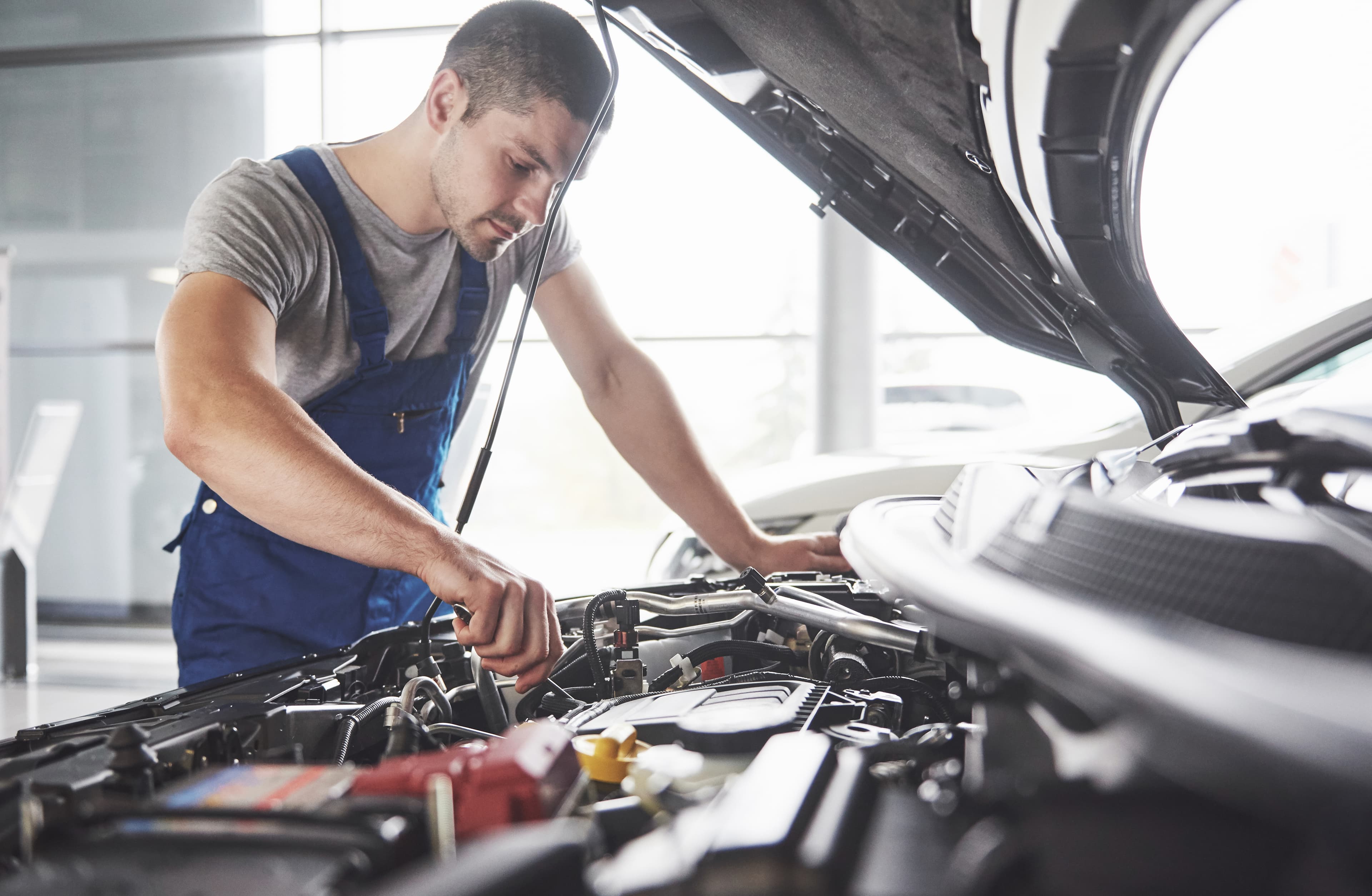
Regular servicing, as well as diligent car maintenance, keeps your vehicle from falling into the trap of age while ensuring optimum performance. One of the critical aspects of car ownership is the differences among the various types of car service available.
This article would help you in defining: what's the difference between a full car service and a quick service? Ultimately, you will be able to decide which one is the best option to maintain your vehicle.
To keep your vehicle in good condition and to avert any serious repairs, the first step is knowing the basics of a car service.
In car servicing, a whole bunch of inspections and maintenance work is carried out to see that the car gives efficiency, safety, and therefore better fuel economy.
Regular servicing, whether interim service or full service, is not only about fixing existing problems in the car but also about maintaining regular service to prevent future problems.
Preventive maintenance is a big responsibility of any car owner to keep their vehicle in good shape and extend its life, giving them peace of mind on the road.
Knowing the difference between car service and car maintenance will come in handy for you to keep your motor safe, especially when choosing between a quick service and a full service.
The full car service refers to A comprehensive inspection and maintenance package that is almost entirely capable of tackling every aspect of the health of your car as necessary to maintain a good running condition.
Its typical features are engine oil and filter change, brake fluid level and coolant level checks, replacement air filter, spark plugs check, and inspection of brake and tyre conditions.
It may usually extend to wiper blades, say, topping up for fluid levels, and checking for other potential issues that could lead to breakdowns apart from full car service.
It ensures the fact that your car received a gigantic overhaul accompanied by improved fuel efficiency, emissions, and reliability, as well as addressing air filters and spark plugs.
The number of checks done differentiates between interim and full car service, which may cause you to choose one over the other.
A swift service can sometimes be referred to as an interim service; in a nutshell, it is a more basic approach to car maintenance.
It usually involves the basic checks like engine oil and filter change, tyre, fluid levels inspection, and rudimentary checks to brakes, the salient parts of both swift and full-service options.
Although quick service is less time-consuming and cheaper than a full car service, it does not offer the same depth of examination.
This would be good for cars that require maintenance now and then, or for those who want a quick look-see between full service, thereby saving time.
I wouldn't solely rely on quick services because many problems may not get picked up by the quick service, while they would be included in a thorough inspection and therefore end up costing a lot later on.
The basic difference between a basic and full service is the degree of in-depth inspections in depth.
Quick service is also called interim service. Generally, the basic approach is in car maintenance.
It covers the basic checks, engine oil and filter change, tyre and fluid levels inspection, as well as a basic check of brakes. When comparing a quick service with a full service option, these components are salient to both.
Quick service gets you to save time and money, unlike the full service for your car, but it does not provide the depth of an audit. It's for those cars that need to be maintained now and then, or one that is just looking for a quick check-up between full services.
It can save you some wait time, but most issues, which can be pointed to a more thorough inspection, might be skipped with quick service.
This could probably lead to expensive repairs later on. The depth of inspections is the only major distinguishing factor between basic service and full service.
Scheduled car servicing is most important to keep the car longer, safer, and running more efficiently, aside from understanding the interim and full service.
Most service schedules would recommend an interim vs full car service, not exceeding 6 months or certain intervals, whichever comes first, by mileage for better fuel economy.
Not taking in services would encourage internal breakdowns and excessive fuel consumption.
There might also be hefty repair bills later, highlighting the need for a critical decision on full service versus interim service.
In addition, taking care of the vehicle according to the manufacturer's standards signifies the resale value of the car and will hold the car in good standing to pass the MOT without any hitches, especially if serviced regularly. Car service and maintenance are a big part of owning a car.
All the car service types can be classified into two categories: Full services and quick services.
They greatly differ in the description of car maintenance carried out and, thus, the performance of the car itself.
A full service would mean a very comprehensive check where the technician checks out a whole lot of items, including engine, brakes, tyres, and fluid levels in detail.
On the contrary, quick services, also called interim services, refer mostly to essential checks like changing the engine oil and filters instead of getting it done under a full car service.
Understanding the difference between these car options allows an owner to make informed decisions regarding the specific needs and maintenance schedules of their vehicle. Knowing the difference ensures your car gets the car service types needed to keep it running.
Totally full service is what most people usually do when a car needs to be prepared for a complete check-up, according to how regular servicing schedules go, or after covering certain distances.
Full car service would serve your vehicle best in making sure it operates in great condition all through, especially for the people who spend much of their time driving or are errand drivers with stop-start driving habits.
Moreover, in case you are preparing for an MOT test, a full service would reveal possible issues that would be addressed before the big test, increasing the chance of a pass, and of course, make sure you have your car serviced regularly.
In other words, if you see strange noises, poor fuel consumption, or any warning lights, it's good to have it checked regularly because it will help solve other hidden problems when doing a full-service car wash.
It helps in the longer life of a car, and the real assurance of having examined every inch of your vehicle is very much there,e and also having it in top shape, especially with the use of diagnostic tools.
Interim car services are the way to go when anything more than a simple service seems unnecessary, yet a request for something might also justifiably want a performance that looks willing and free from bad habits.
If your car requires service routinely, a quick service every half a year can just keep the fluids up and catch small repairs, in good time, according to the normal service method of maximising fuel economy.
A quick service might give you that instant relief to hold you until you can get back on that budget again, or it might be one way of going forward if urgent is the word you want to associate with it.
Essential services, such as changing engine oil and filter, hold the primary working condition of the car and prevent it from start-stop issues; among those services, the car does differ between quick and full service.

The full auto service stands for the most comprehensive car maintenance available, ensuring that your car is in good working order, and failing systems and electrical components are examined thoroughly.
It is a service with very extensive inspection of major components, potentially pre-empting problems that blow up into expensive repair jobs with brakes and suspension included.
A typical full service covers everything from engine oil and filter change to brake fluid checks and air filter replacements.
The inspection includes spark plugs, tyres, fluid levels, and even wiper fluid, ensuring that every aspect of your vehicle receives attention. As though the full car service will ensure the longevity and fuel economy of your car.
An interim service, also known as a fast or quick service, is basically most of the time the minimum essential car maintenance to ensure good running of the car between the two full services.
It is usually the change of engine oil and filter, checking fluid levels, checking the tyres, but generally, just enough to weigh your decision over whether to have a full service or not.
Less comprehensive than full service, yet it ascertains that a few minor problems are found. Basic maintenance needs are met. Whether to have it done at that time or to wait until the next full service has to do with your car's condition.
It is an ideal choice for someone who wants to make sure that their car runs well without doing the full checks of a full service. Whether you should opt for an interim service or a full car service depends on the number of checks and maintenance you want.
Your vehicle undergoes, as part of a car service, checks related to its brakes and suspension, among other things, with the overall objective of providing inspection-replacement-adjustment actions to keep the motor healthy and running smoothly.
The services available during car servicing may differ for an interim and full service, with the latter requiring some checks at 6-month intervals.
Typically, most car services carry out a change in engine oil and an oil filter, followed by checks on fluid levels, brakes, and tyres.
Full car services will incorporate the following components: additional inspections related to the air filter, spark plugs, the levels of the coolant, and other critical ranges to be able to keep your vehicle in fine form, especially if you are thinking about having one instead of an interim service.
Understand what the types of car services are and what comes under them, the most important thing of all for a car owner, since it will help aid their decision in the critical area of maintenance needs for their vehicles.
Not sure which service is right for your car? Consult with our experts and get the best maintenance plan tailored to your vehicle's needs.
Book your appointmentDriving habits make a difference in how often a car needs service. This also means very regular service to keep minor problems from becoming worse. For instance, given a driver who drives a lot or extremely aggressively.
A driver such as this would need more frequent full service and possibly other maintenance on the vehicle to avoid stop-start problems.
Such conditions can wear out moving parts, such as brakes, tyres, and the engine. Regular servicing keeps track of all other problems that might build up into more expensive repairs or cause breakdowns down the road.
However, the more you know about different car services available for car owners and what they require, the easier it will be to form a highly personalised way to program that maintenance to put the car in such condition and make it able to solve engine troubles when it arises.
Depending upon your mph and driving habits, you would prefer your next service appointment at their centre.
The age and condition of your car are vital factors for deciding between full service and quick service.
Older cars or cars with higher mileage tend to need more attention for maintenance, hence it is good to know when it needs to be serviced and if it should be a full service to better address its needs.
A full car service can help track and treat the potential of wear and tear, giving your car a smooth passage through life, while you get it serviced regularly. Newer cars in good condition may have use for just quick service or interim service for basic maintenance.
Irrespective of what kind of servicing, regular servicing prolongs the life and reliability of your car, allowing you to avoid unpleasant breakdowns and costly repairs, as well as look into other issues like brakes and suspension. Routine inspection is crucial in keeping your car running.
Cost is one big consideration in choosing between a full car service and quick service on the maintenance program.
Full car service is extensive and hence usually more expensive than quick service. If one's budgets allow for only quick service or interim service, then they might be all the more attractive options.
In the long run, however, those tiny sums could go towards paying for the damages incurred from avoiding full services. Many repairs could have saved a little bit of money; hence, the good inspection report would highlight those little issues, looking very small.
Evaluate your cash outflow situation, but do take your time and ensure that the health and safety of your car are prioritised. The money you put into prolonging your car engine efficiency is, of course, an investment that will increase the fuel efficiency of your car along the way.

Your choice between full and quick service will be dependent on several factors, including driving habits, age, the condition of your car, and financial considerations.
Hence, differentiating between the two types of services is important for deciding on the really requisite service type for your car.
Regular servicing, whether interim or full, is considered important for the vehicle's life, safety, and performance, thus requiring you to have your car regularly serviced.
Consider the specific needs of your car; check your car maintenance schedules and the advantage of regular maintenance, generally recommended every six months, for your decision on full or interim service.
With good service, maintenance checks, and monitoring of your power steering fluid, you can keep your vehicle in good running condition and prolong its life.
These are some maintenance tips for the future that will keep the car in proper shape and will help in extending its lifespan, among others.
Follow the recommended schedule of the manufacturer on forr services, but apply the alternative methods between quick and full car services based on the preference of one based on the driving types.
Consistently examine fluid levels, tyre pressure, brake condition between services, and how well the vehicle is performing to inform the need for a full service. React fast to unusual sounds, warning signals, or anomalies during performance.
Timely repairs and preventive maintenance will be cheaper, and early identification of possible problems will help to save money and guarantee further reliability and safety of the vehicle in the years to come.
The regularity of inspection for the vehicle will help ensure that the vehicle is safe and performing optimally.
In short, an understanding between a full car service and a quick service is essential for every car owner in avoiding costs from expensive repairs that stem from problems when an automobile is not properly attended to.
Both auto service types can maintain the engine's health and performance, above all, avoiding problems from escalating.
While a full car service contains the most thorough inspection and maintenance that may cover almost all aspects of your car's condition and makes sure that you get your vehicle serviced regularly to prevent it from aggravating problems, a quick service only covers the essentials, such as engine oil and filter changes to keep your car going between more comprehensive inspections.
How you choose one depends on what you need specifically, how often you drive, and how well it fits into your budget.
Assuming that the diagnosis of any issues related to the engine and electrical systems was part of the car maintenance, it would also be the most appropriate type of maintenance to enhance the car's longevity.
Choose the right service for your car. Book your appointment today and ensure your vehicle gets the care it deserves.
Book your appointment