

Protecting the health of your car is a priority; the most important aspect of maintaining a vehicle is performing oil changes on time. Oil changes, however, are also essential for maintaining your car's engine in good health.
This article will broadly describe the factors affecting the time interval of oil changes, types of engine oil available, and the graphical signs hinting that an oil change is necessary.
Grasping these factors will allow you to safeguard your engine and optimise your vehicle performance.
Often referred to as motor oil or car engine oil, engine oils are very important lubricants that allow your engine to run smoothly. Its primary task is to reduce the friction between the moving engine parts, which is very much needed to sustain the life of the oil type.
The very car oil acts as a barrier between metal and metal contact, thus reducing wear on the engine while at the same time dissipating heat from crucial areas to prevent overheating and damage.
Therefore, in addition to lubrication and cooling, motor oil also cleans the engine by trapping contaminants and keeping them from forming sludge in the engine.
With the regular changing of oil with newer oil, the internal workings of the engine would be performing very efficiently and reliably.
There are so many engine oils with varying levels of protection compared to normal oils and performance.
The plainest type of oil is the normal oil, or conventional oil, which is suitable enough for older cars that have such simple engine designs.
On the other hand, synthetic oil consists of engineered properties to have better lubrication, superior resistance to extreme temperatures, and better engine protection than conventional oil.
There also exist synthetic blends that are middle-level oils between the lower costs of conventional oils and the improved performance of synthetic oils. Hence, they are a favourite for longer durations of oil changes.
The type of oil you use will be dictated by the specifications of your vehicle and your car manufacturer and your driving conditions; thus, oil needs to be informed.
The function of motor oil in your engine is to lubricate moving parts and to maintain a healthy engine, for timely oil changes. This is how it is mainly recognised for optimum engine health through longer oil change intervals.
It also lubricates moving engine parts so that there is low friction and wear. Without adequate lubrication, these parts would rapidly degrade, which causes severe engine damage and costs a lot to repair, emphasising the frequency of oil changes.
Engine oil also acts as a coolant, absorbing heat from combustion and friction and carrying it away from vital engine areas, thereby preventing overheating and creating the proper range for the engine's operating temperature, which ultimately leads to improved performance over time.
Dirty contaminants such as dirt, debris, and combustion byproducts are trapped in motor oil and are held in suspension in order to prevent the accumulation of those contaminants that eventually cause sludge buildup, which restricts oil flow and decreases engine efficiency.
Your engine's protection strongly depends on which oil and filter you choose.
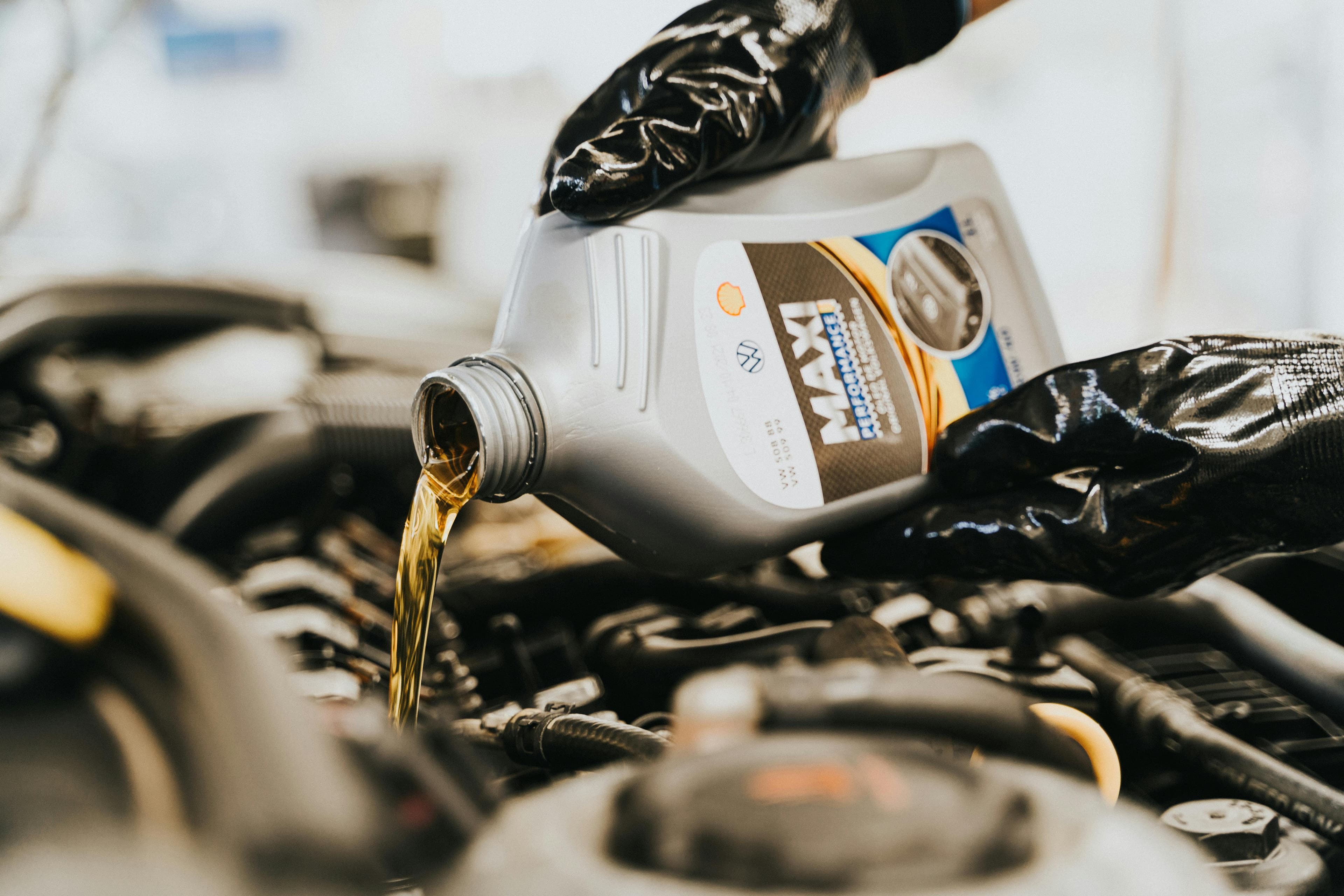
Every vehicle is different, which makes it really hard to put an exact figure on the frequency of recommended oil changes. For example, there would be a difference in the amount of oil required for older cars that use conventional oil and newer models that use synthetic oil.
Typically, for older cars that use conventional oil, changing the oil every 5,000 to 3,000 miles would be an ideal recommendation; hence, oil type would generally be exhibited in this regard.
Newer model cars using synthetic oils can extend the oil change intervals even more, going up to about 7,500 and even to over 10,000 miles.
In other words, open the owner's manual and check out the oil change intervals recommended by the manufacturer and the type of oil they recommend for use in vehicles, and stick to that schedule for a longer engine life.
Some vehicles also feature a system that monitors oil life, which can take the driving conditions and usage patterns into consideration and provide feedback on how much oil is still valid.
The frequency of oil changes can be decided by many factors. Driving in extreme conditions, such as short travel distances, stop-and-go traffic, harsh towing with a large load, and hot and cold temperatures, requires careful driving due to the persistent deterioration of oil.
Automobiles operated in such circumstances need oil changes at a higher frequency than the recommended mileage.
It is also established with no doubt that oil changes usually result in a growth in the number of MPGs, based on the number of miles driven with blacks and those not maintained.
Oil type is another important factor. Synthetic oils are better in quality and have longer oil change intervals than the common oils recommended by your car manufacturer.
Age and condition of the car can dramatically alter the oil consumption as well as its contamination rate, making it even possible to do frequent oil changes.
If you are very keen to find out the correct oil change interval for a high-mileage vehicle, you may also benefit from running an oil analysis, as it may help you determine what oil to use.
There are many signs to show that you need an oil change. One is the lighting of the oil warning light on the dashboard, which generally indicates either a low oil level or low oil pressure that prompts one to change their oil.
A knocking or rumbling sound from your engine could signify poor lubrication within the engine.
Visual inspection of the oil level and condition can also give clues: dark, sludgy, or gritty oil probably needs to be changed, which is a sign that oil should be changed every six months; as well, a decline in engine performance, such as less power or fuel efficiency, can often be attributed to degraded engine oil.
Check the oil level all the time, and keep looking for these symptoms so that possible engine damage can be avoided.
Several signs can show you need an oil change. The oil warning light is probably the most easilyrecognisable. The dashboard's oil warning light points to low oil levels or low oil pressure, prompting you to go get that oil changed.
A knocking or rumbling sound from your engine could indicate inadequate lubrication. You can also tell a lot about your oil condition and the level through visual inspections. If the oil looks dark and has that sludgy, gritty look to it, the oil change time is most likely indicated.
Oil needs to be changed every six months that the oil should be changed, and a decrease in engine performance-things like reduced power and fuel efficiency, could imply that the oil has degraded in the engine.
Thus, checking your oil level often and being alert to these signs are essential to keeping your engine up and running.
Oil changes are very necessary when it comes to developing your engine performance and running smoothly. This is especially vital if you have a used car.
Oil changes are important for every engine in the given recommendation, basically for that one fresh oil, which is crucial for engine component lubrication and engine health.
Engine oil reduces friction, allowing these components to move freely and efficiently, which is vital for maintaining engine health and ensuring long-term engine reliability.
With pure engine oil, your engine is able to deliver maximum power and responsiveness to provide an enhanced experience of acceleration in all driving scenarios.
Regularly monitoring this oil par excellence analysis would help establish the best period for oil changes, while frequent oil changes prevent sludge build-up, thus compromising performance in your engine oil.
The death and very early death of the vehicle can be seen as one of the most touching benefits you get by changing your oil at regular intervals.
It was recommended to have oil changes every six months. Change oil at the scheduled mileage to prevent premature wear and possible damage to engine parts.
Fresh oil serves to lubricate engine parts when they rub against one another, which reduces friction and, therefore, wear and tear; the damage can be worsened with the breakdown of oil.
You can thus save money by avoiding unnecessary repairs and prolong the life of the engine, particularly if oil is changed every six months.
Contaminants and debris tend to get washed out or even go into it, causing wear and damage to the very essential parts.
Therefore, when you change the oil and filter, you also save your engine from that contamination by ensuring clean oil is circulating through it.
No wonder that regular oil changes improve fuel economy, and one can never say enough about faithfully changing the engine oil as per the guidelines.
Engine oil, when old and spoiled, tends to turn sticky and cause an unnecessary increase in friction in the engine, which emphasises the need for timely oil changes.
Higher friction will tend to make the engine work harder, which means fuel economy will not be as good.
Thus, regular oil changes ensure cleaner, freer-flowing engine oil with less friction and greater efficiency in fuel usage.
It has also been conclusively indicated that in most cases, oil change results in augmentation of number of MPGs, through miles covered when blacks are used and not when the car is in a neglected condition.
Frequent oil changes keep your engine lively and moving. Do remember always to check on your oil levels so you know when one of those changes will occur.
Keep your engine running smoothly with regular oil changes. Book your oil change service today and protect your vehicle's performance.
Book your appointmentThis is an important but simple technique in car maintenance. Make sure that the car is parked on a straight surface and the engine is off and cool. The first and foremost thing is to find the dipstick, usually marked by a bright colour with an oil can symbol.
Pull it out, clean it up with the rags, put it back in fully after checking the oil in your car after the last oil change and pull it again outside just to see how high or low the oil level is.
The markings on the dipstick will show the minimum and maximum oil levels inside your car. Your oil level should sit somewhere between these two markings when it comes to lubricating and making the engine healthy.
If it's sitting below that minimum, you'll have to top it up with oil. The best way to know the condition of your oil is to check it every time you fill up.
Always check the oil quantity; frequently checking allows identifying future possible issues early and ensures sufficient engine lubrication, but it's vital to know when an oil change is needed. You can tell by the level of the oil if it is time to change your oil.
This is really the most critical point in an oil system for a vehicle or engine at the moment. A low measure of oil in your engine will cause excessive friction of one engine part with another, resulting in wear and, in some cases, damage to the engine.
Mild observations such as those prove that half-yearly oil changes keep the engine in good health.
An oil level check also allows you to track and fix leaks and excessive oil use of oil early. So, basically, the oil levels would keep an engine correctly lubricated, reducing wear and heat effects and preventing costly repairs.
This means that it would control the oil changes by indicating exactly when you need to do small light maintenance (oil level checking) and even when you want to do the major ones (time for engine oil change).
Even though you might, for example, wait one year before changing oil, regular checks on oil levels will alert you when changes are due. It may also alert you whether or not you have changed oil at the right time of the year.
Regular oil checks ensure that you monitor how clean it is, whether you need a change, and when to change it.
Most modern vehicles have oil life monitoring systems that estimate the remaining oil life according to various parameters, such as driving conditions, engine temperature, and mileage. However, it is best to refer to the type of oil to use.
Such systems actually use sophisticated algorithms to analyse driving patterns and give estimates of when you need an oil change.
Oil life monitoring systems can guide one to some extent, but should not be a full replacement for eyes-on checking the oil level and condition. This would apply whether you have synthetic or conventional oils.
You have to grant oil life monitoring systems their usefulness, but not rely completely on them. Therefore, it is important to change oil every six months.
Temperature extremes and severe driving conditions make the oil in your car deteriorate. That is why you need to constantly check your oil. The oil change interval might be determined by the type of oil, especially for high-quality oil.
DIY oil change can really offer you some great savings while helping you get to understand how your vehicle works. To begin with, you will need to organise some important supplies. Specifically, ensure that you have: oil, filter, and disposal tools as part of the equipment you will use for your oil change schedule.
Warm up your engine for a short while before starting. Then, you will find the oil drain plug under the engine. Soon after, set the drain pan under the plug.
Carefully remove the plug and let the oil drain completely. Change the drain plug before the new washer sits over it. Next, replace the old oil filter with the new one, lubricate it with new oil to lubricate the gasket, and refill the engine with oil, checking the appropriate dipstick level.
The final step consists of starting the engine to check if any leaks occur, thus ensuring that the correct oil type is used for your oil change schedule. Work with a dipstick to check the oil levels as per OEM specifications.
Changing oil is not such a big job for car owners, but there are situations in which asking a professional can be a good decision.
If you feel uncomfortable working under your car, find you don't have the necessary tools, or doubt you have the proper oil grade for your car, then seeing a qualified mechanic is the best way to get your oil changed.
Other considerations are any accidents that were made during the DIY projects, such as an inaccessible oil filter or a stripped drain plug; then do not hesitate to seek the services of a professional to help you change the oil of your car properly.
Ignoring such conditions could lead to engine damage.
Mechanics have all the knowledge and equipment to ensure they do oil changes as efficiently and safely as possible and properly dispose of the used oil.
The mechanic can advise you on how frequently you should change your oil according to the engine technologies used in your vehicle.
Proper disposal of old oil is paramount in environmental protection, and changing oil entails responsibly disposing of used oil. Never pour used oil down the drain, into the ground, or into the trash.
Used oil will eventually contaminate soil and water sources, causing a significant environmental hazard. Rather, collect the used oil in a sealed container and take it to a recycling centre or auto part centres that accept used oil for recycling.
Many auto part stores offer their oil recycling services free of charge as part of their car maintenance programs, encouraging people to use clean oil in their cars.
So you are doing a favour to the environment by correctly disposing of used oil, conserving precious resources while you do it and making sure that you change your engine oil at the right time.
Proper disposal can save your engine from ruin and ensure that your oil change is not a pain to the environment, in turn, based on the change intervals advised for your car.
Don't let old oil damage your engine. Schedule your professional oil change service now and keep your vehicle running at peak performance.
Book your appointment