
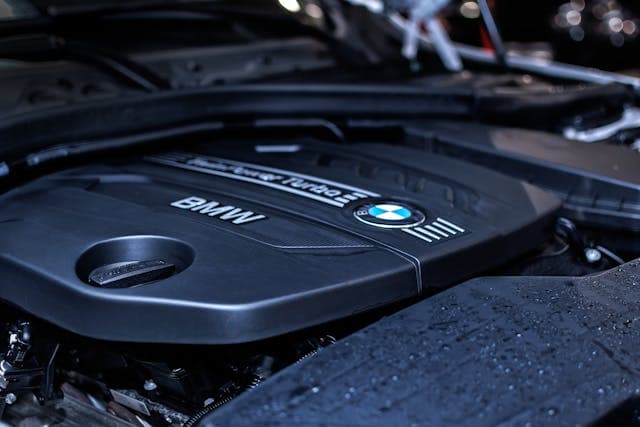
As long as you own a BMW, it can be quite stressful to discover that the BMW is overheating, especially with the engine light flashing. BMW is carefully engineered so that the cooling system works to keep the engine temperature at optimum.
If your BMW engine is overheating, it means that the components designed to keep the engine cool, such as the water pump, are malfunctioning.
This article explains the most common causes of engine overheating in your BMW, the signs of overheating to look for, and how to detect an overheating engine so that you can make effective repairs for your BMW.
Countless reasons explain why your BMW's engine may be overheating. A few of the most common include the following:
Out of all the reasons an engine may be overheating, the most frequent is the coolant leak. A coolant leak is critical because it protects the engine from absorbing too much heat.
Thermostats may also be the root of your engine overheating. They are responsible for controlling the coolant's flow into the radiator.
Water pumps that are 'failing' may also be part of the reason why your BMW is overheating. Water pumps are critical as they keep the coolant circulating, which is just one of the many reasons why BMWs tend to overheat.
A clogged radiator, while rarer, can help contribute to BMW overheating. When this occurs, it is because the radiator is not able to help the coolant that is overheating.
Last on the list, but not the least, the reason BMW's overheat is due to poor maintenance, the wrong coolant doing the cooling, or a cooling system that is not functioning properly.
In most cases, simply turning off the engine in time to prevent major damage will help prevent the engine from overheating, from making weird sounds, and from the engine overheating light turning on. With the engine light on and under your car for suspicious wet spots, you could identify the source of the coolant leaks to help prevent overheating in your BMW. Watch for the following:
Higher-than-normal temperature gauge readings could mean that the engine in your BMW is going to overheat soon.
Any light illuminations from the warning light on your dashboard.
If you see the ground under your car, you may need to turn off your engine for the sake of a serious building problem.
You may also notice some steam appearing from under the hood, or you may smell some burning.
You may also notice some loss of power or even some rough idling and a major decline in the performance of your BMW.
This could be some major design problem in the engine. If you hear a ticking sound, you likely need to take the overheating engine of your BMW to a reliable repair shop.
If you take action promptly, you will not have to worry about repair costing a lot, and your BMW will not lose its ability to perform.
Being able to identify an overheated engine properly cannot be done solely by looking at the temperature gauge. If the temperature gauge is in the red zone or the warning light is on, pull over safely and wait until the engine cools down.
Do not attempt to open the coolant reservoir, as this can cause major burns and lead to damage to the engine, as the system is pressurised. Once cooled, check the coolant level and make sure the engine has enough coolant to function properly.
If not, there is a possibility of a win leak, which may cause the BMW engine to become superheated, and may cause a puddle to form under your car.
If there are signs of leaks on the radiator, hoses, and water pump, there may be a less critical reason contributing to the overheating.
If you suspect there's a malfunction with the BMW water pumps, it's best to reach out to a trusted BMW service centre.
If you hear any unusual noises, like a water pump, this may suggest water pump failure.
If there is still uncertainty, it's best to consult BMW specialists or a certified BMW technician to do a more thorough inspection and take measures to stop any overheating or even more critical failures.
Is your BMW engine overheating? Get expert diagnosis and repair services to prevent costly engine damage.
Book your appointment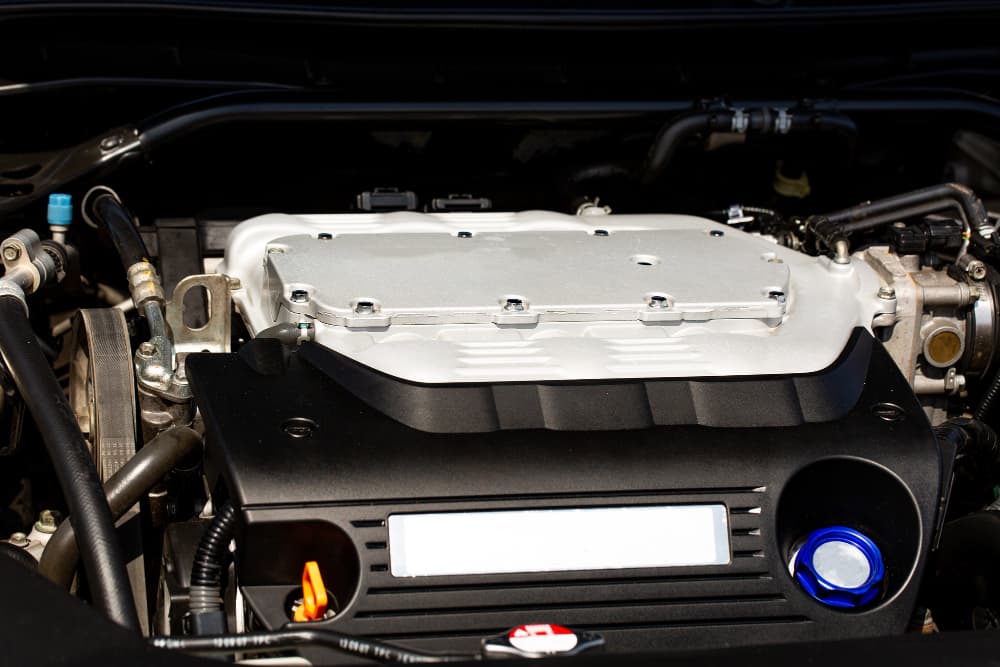
Intricacies of the BMW cooling systems ensure the optimum temperature is maintained to allow the BMW to run without any issues. The BMW cooling system is made of the following components.
The radiator dissipates heat while the water pump circulates the coolant throughout the engine.
The thermostat controls the flow of the coolant to keep the temperature steady, and hoses and connectors transport the coolant.
The expansion tank prevents pressure buildup by accommodating the coolant when it expands, and the cooling fan encourages the radiator to dissipate heat when the vehicle is stationary and even when it is moving slowly.
All of the components that make up the systems up must be kept maintained to save the engine from overheating and ensure the longevity of the engine.
A radiator is crucial in regulating the temperature in your BMW by controlling the flow of the engine coolant. As the coolant circulates through the engine, the radiator removes heat from the engine by using the coolant.
The radiator's construction includes many thin metal fins, which increase surface area, so when the coolant flows through, heat is removed quickly. Before the coolant is allowed to flow back into the engine, the radiator is designed to allow airflow over the fins to further cool the coolant.
Any obstructions in the radiator that cause a reduction in hydraulic flow through the radiator are the cause of the engine overheating. It is the responsibility of BMW owners to quickly diagnose any issues that arise.
Flushing the radiator removes unwanted debris, which allows the engine's coolant to flow without obstructions and helps to regulate overheating.
The coolant system of BMW is quite elaborate. The system is at risk of overheating if there is any malfunctioning coolant pump. That is because the coolant pump is needed to circulate the coolant through the parts of the engine.
Also, the pump ensures the coolant goes through the radiator. The pump is needed to absorb the heat. If the coolant system is malfunctioning, the engine is likely to overheat. And if the coolant is not functioning, the engine oil might break down.
It is best to watch the temperature gauge. If the reading is close to the danger zone, then it is best to inspect the pump. Also, any signs of coolant leakage are indicators of pump failure. Look closely at the pump to see if there is any coolant leakage.
Noise should also be watched. Look out for whining or grinding noise. Look out for these indicators in your BMW overheating to avoid any further problems. If the pump fails, the only way to avoid irreversible damage is look for specialists in BMW repair.
Choosing the right coolant is important for the efficiency of your BMW's engine cooling system and to prevent coolant leaks from your car.
The right coolant prevents issues such as engine overheating and engine damage, which also causes your car to leak coolant.
Many of the BMW models require the coolant to be a certain type of blue color, which is buyast phosphate and silicate, to ensure that the engine is kept at the right temp and to prevent corrosion.
Using the wrong type of coolant can lead to the coolant system being gelled, leading to overheating because the coolant won't be able to remove heat.
Using the right coolant keeps your engine from overheating, keeps your BMW running efficiently, and is highly important for BMW drivers is highly important.
Engine overheating and damage to the engine's moving parts are something that many BMW owners would like to avoid.
Overheating can be caused by coolant leaks, so detecting them early is important. No leaks can be located by checking the radiator, water pump, hoses, and thermostat housing.
Some signs of revitalue leaks are a noticeable drop in coolant level, and visible puddles of coolant under the BMW.
Overheating is caused by a lack of coolant to cool the engine, which is a result of a coolant leak. Noticing any of the mentioned signs can lead to serious overheating issues and engine failure.
Consequently, if a coolant leak is suspected, BMW repair from certified specialists is strongly recommended.
It is critical to maintain appropriate levels of coolant to keep your BMW's engine from overheating, as the engine is designed to require coolant. Before driving your BMW, you should check the coolant level.
Make sure to check the coolant level in the expansion tank. The tank should be at least the mid-range level, but should not be too full, in order to avoid leaks that may form under your car.
If you have to check your coolant level regularly, there is a coolant leak that needs to be repaired by a BMW technician. Warning and no leaks under your car imply that you have a properly maintained cooling system.
Keeping your system leak-free helps ensure a long and reliable life. Before opening the coolant reservoir, always allow the engine to cool to avoid burns; make sure the engine is completely cool before proceeding.
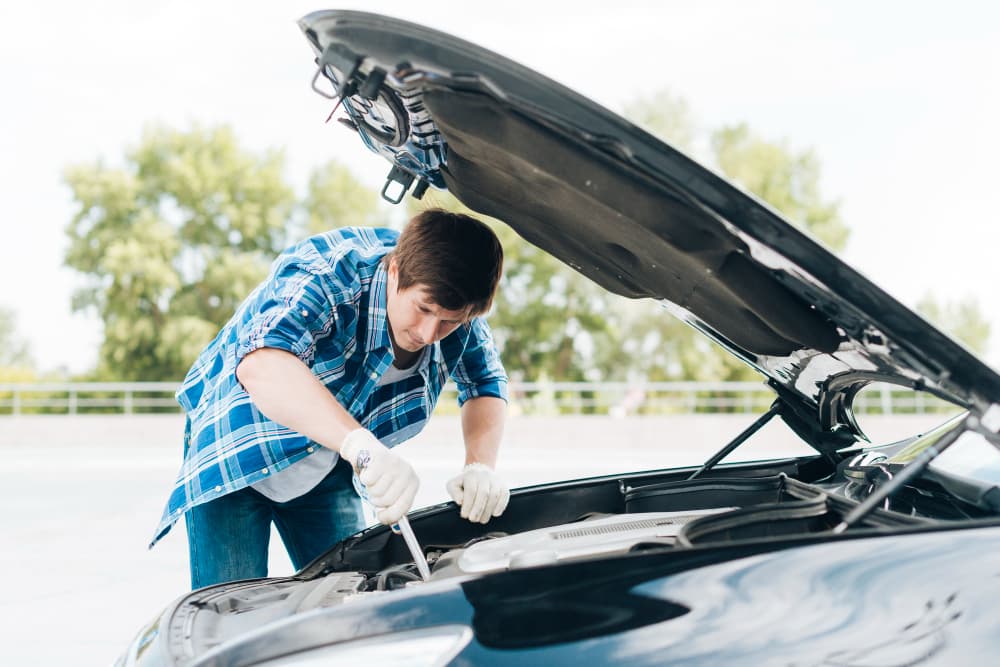
Maintaining your BMW properly and especially solving the overheating problem requires knowing when and how to see BMW experts. Noticeable overheating, leaking coolant, or hearing weird sounds from the engine?
You will need to see a professional, especially seeing something pool-like beneath your car, which could indicate leaking coolant.
Leaving engine temperature warning lights unattended can lead todamages costing thousands to address.
Cooling system complications are BMW experts' everyday realities. Overheating can happen from leaking coolant, stuck thermostats, defective pumps, and blocked engine radiators.
Having BMW experts to manage your problems is invaluable.
Avoiding overheating problems and saving your BMW from getting your engine compromised is certainly a matter of trusting certified technicians.
Repairing overheating BMW engines is often a problem of repairing BMW overheating problems.
It is wise to go to a repair shop since overheating BMW engines can be caused by many problems.
Repairing BMW overheating engines often requires fixing problems within the engine's overheating protection problems. Here is a big problem and a small solution:
In BMWs and other cars, a radiator with water that is cloudy and needs to be changed can raise the temperature of the engine by causing the water to overheat. A water pump also needs to be repaired quickly.
Overheating can also be caused by water pumps that are broken, requiring the BMW overheating engine repair shop.
To stop going to the overheating BMW shop, it is good to check the correct and adequate amount of water in the coolant.
Problems with BMW cooling engines can be repaired by keeping BMW engines from overheating.
Overheating in your BMW can happen for numerous reasons. One major affected system is the BMW cooling system.
This neglect can be rectified. Checking the coolant level in the overflow tank is critical to ensuring your BMW does not overheat.
Inspect your coolant hoses and hose connections to ensure that there are no leaks that could cause very critical engine coolant leaks and major engine problems.
Make sure that your engine coolant is the correct and specified BMW coolant that does not cause corrosion and maintains a temperature that enables the engine coolant to keep the engine from overheating and lose the cool that the BMW engine cooling system is supposed to provide.
Watch the temp gauge closely and react to the temperature warning light that could signal overheating and excessive BMW engine temperature.
Overheating can happen to your BMW during critical drives, so visit BMW specialists to prevent major BMW overheating problems.
In adherence to the outlined guidelines, the efficiency of your BMW cooling systems can be maintained, overheating can be avoided, and the longevity and performance of the BMW engine can be ensured.
Protect your BMW from engine overheating. Schedule a cooling system inspection today and ensure your vehicle runs safely and efficiently.
Book your appointment